01
Genuinely Flat, Sheltered Water
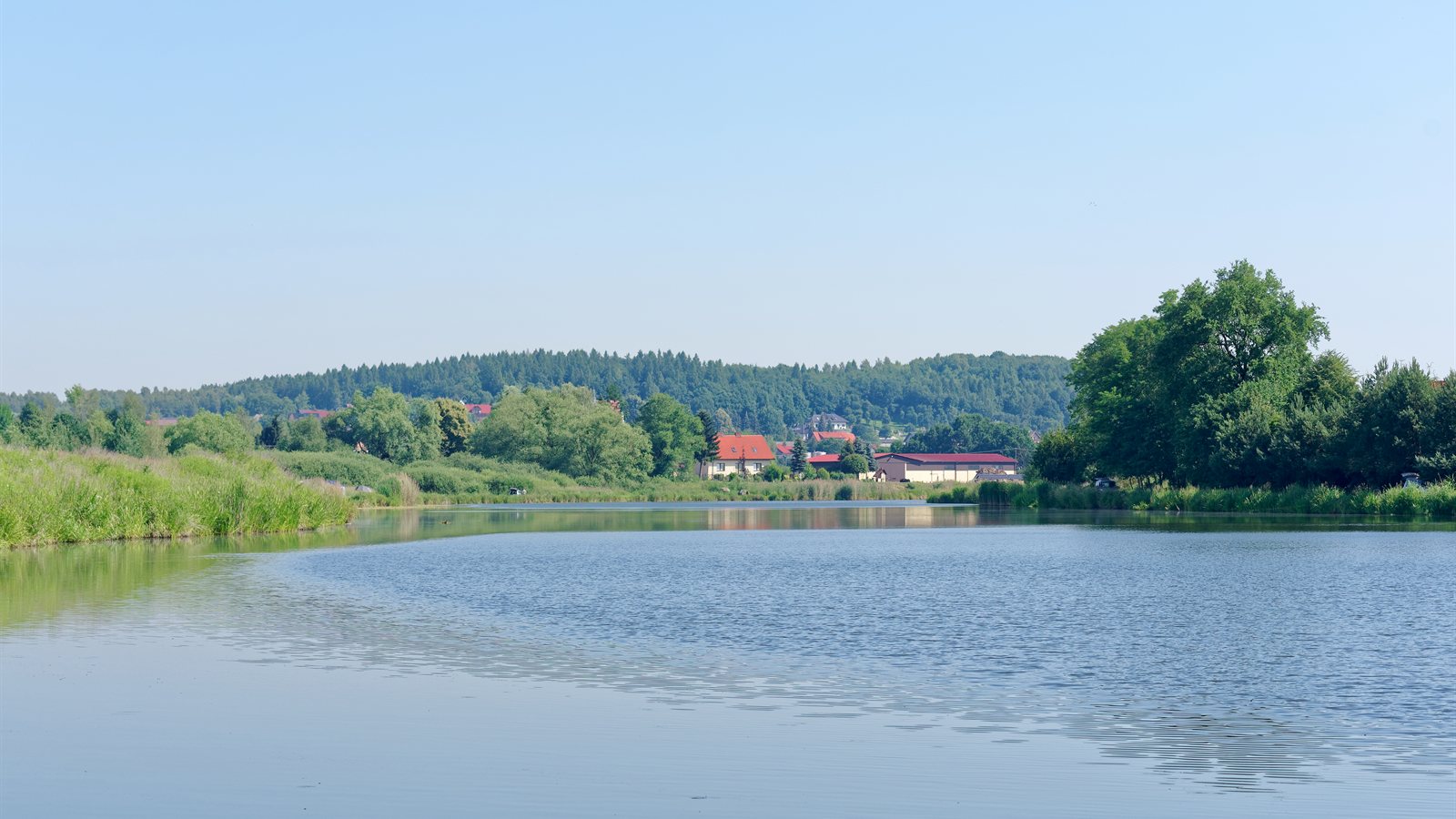
Every route we use sits away from the main current, in cut-off bends, backwaters and shallow lagoons where wind fetch is short and flow is close to zero. That single choice removes most of what frightens newcomers: there is no risk of being carried downstream, no need to fight back to the launch point, and no sudden chop when a workboat passes. Families with children, guests recovering from injury and anyone who has never held a paddle can therefore start on the same water as regulars. Experienced paddlers appreciate it differently — mirror-flat surfaces make long, rhythmic distances possible and turn photography from the boat into a genuine pleasure rather than a balancing act.
02
Instruction Without Jargon
Our coaches teach in ordinary language, demonstrating each stroke on shore before anyone gets wet and correcting quietly rather than shouting across the water. The first twenty minutes cover posture, grip, forward paddling, stopping and turning, plus a calm explanation of what happens if a board tips and how simple it is to climb back on. Groups are limited so that everyone gets individual attention, and progress is set by the slowest participant rather than the fastest. Guests who arrive nervous almost always finish the session asking about the next level, and those who already paddle receive genuine technical feedback instead of being left to drift at the back.
03
Equipment Fitted to the Person
Nothing spoils a first paddle faster than a boat that is too big, a paddle that is too long or a buoyancy aid that rides up under the chin. We carry a full range of sizes for adults, teenagers and children, adjust seat position and footrests before launch, and match paddle length to height and stroke style. Boards come in several widths and thicknesses so that heavier paddlers, nervous beginners and those bringing a bag or a dog all get something stable. Dry bags, waterproof phone cases, neoprene shoes and thermal tops are available at no extra cost, and everything is checked, rinsed and dried between sessions.
04
Safety Cover That Stays Invisible
Every group paddles with a qualified leader holding current rescue and first-aid certification, and larger sessions add a second coach at the rear so nobody is ever out of sight. Support craft carry throw lines, spare paddles, a first-aid kit, warm layers and a means of communication, and departure decisions follow written wind, temperature and visibility limits rather than optimism about the forecast. A shore contact knows the planned route and expected return for every trip. All of this stays deliberately in the background: guests notice a relaxed, unhurried morning, not a safety briefing that turns the outing into a drill.
05
Timing Chosen for Stillness
Backwaters are at their best early and late, when wind drops, light softens and wildlife comes to the edge. We build the timetable around those windows rather than around office hours: dawn departures with mist over the surface, mid-morning family sessions once the air has warmed, and evening paddles that finish as the sun sits on the treeline. Each booking includes advice on what the conditions are likely to be, and if wind is forecast we move the start time or switch to a more sheltered arm instead of cancelling. Guests get the version of the water that photographs and memories are actually made of.
06
Respect for Quiet Places
Still water is fragile: nesting birds sit low on the banks, spawning fish use shallow margins, and a single noisy group can undo months of tolerance from landowners and anglers. We cap group sizes, keep launches to established access points, avoid marked nesting bays entirely during spring, and brief every participant on distance, noise and litter before leaving shore. Boards and hulls are washed between catchments to stop invasive plants travelling with us. Part of each booking funds bank repair, access maintenance and clearing of fallen timber, which is why the stretches we use stay open and welcoming season after season.